The amenity strategy that wins the next decade
Residents moving in today grew up with on demand everything. They value access over ownership, and they judge a building by whether it makes an ordinary Tuesday easier.
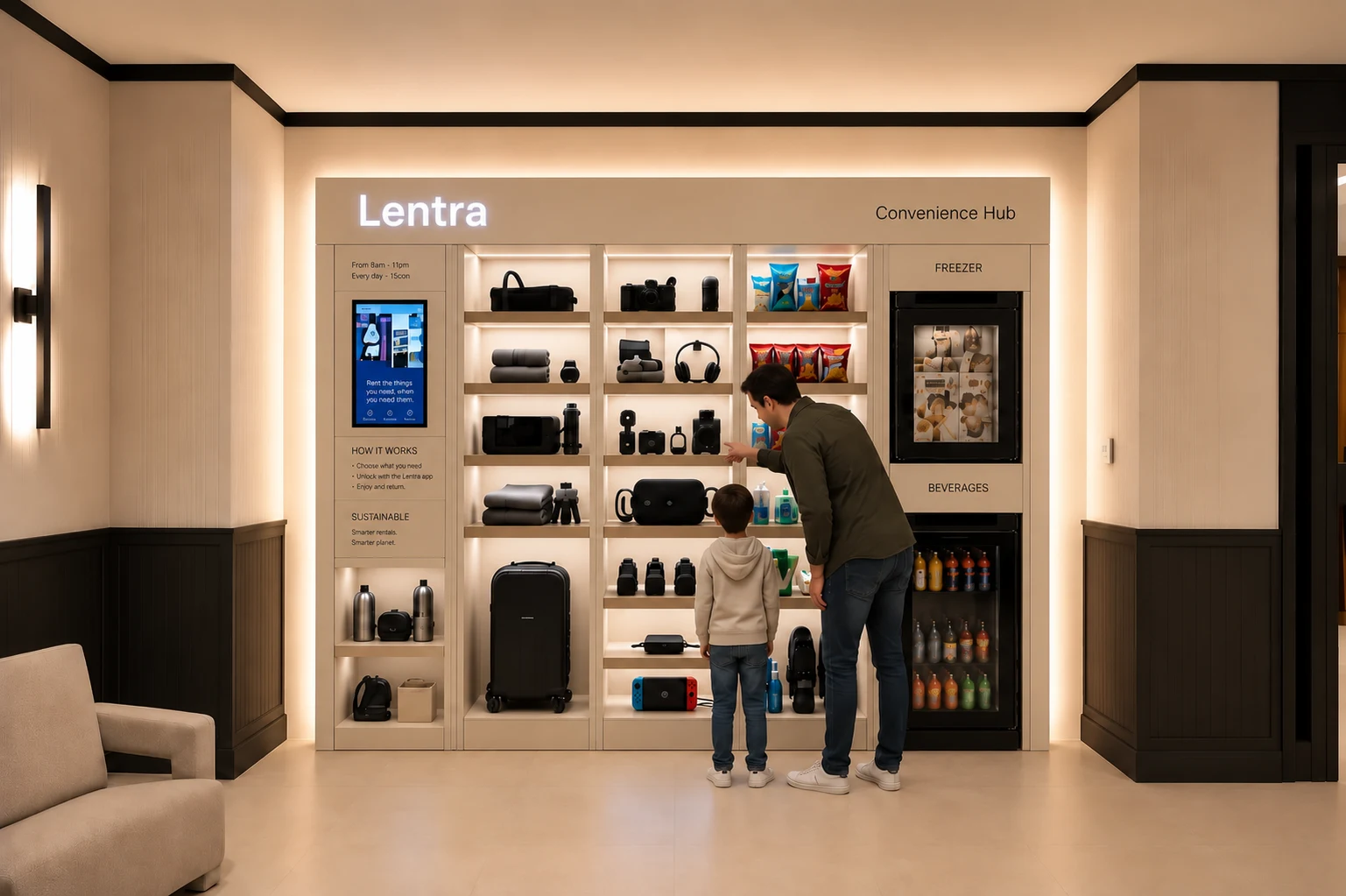
For twenty years the amenity race in multifamily has been an arms race. A gym, then a better gym. A lounge, then a lounge with a coffee machine. A roof terrace, because the building down the road has one. The list got longer every cycle, and the answer to a competitor's new feature was always another feature.
That strategy is running out of road, and not because amenities stopped mattering. It is running out of road because the list stopped differentiating anything. When six buildings within walking distance all offer the same six things, a prospect is not choosing between amenity packages. They are choosing between two buildings that look identical on paper and then picking on rent.
The renter you are building for has already changed
The people signing leases now have spent their adult lives with on demand everything. They stream instead of collecting, they book a car instead of owning one, they borrow tools from a neighbourhood group instead of filling a cupboard with things used twice a year. Flexibility beats ownership, access beats accumulation, and a thing that sits idle is a thing they resent paying for.
This is the group being sold amenity packages designed around a different assumption: that people want to be impressed. A feature that impresses once at the viewing and then disappears into the background is, to this resident, a cost they are carrying in their rent for something they use twice a year.
More is not a strategy. Smarter is.
The question worth asking is not what else can we add. It is which friction points exist in our residents' everyday lives, and which of them can we actually remove.
Those friction points are unglamorous, which is exactly why they get overlooked in a design review. Someone needs a drill for forty minutes and does not want to own one. Someone runs out of dish soap at ten at night. Someone is hosting friends and needs a second set of chairs. Someone has a flight at six and remembers at midnight that they have no travel adapter. None of these are amenity brochure material. All of them are the actual texture of living somewhere.
Solve those and you get something the brochure list cannot buy: a feature that is used every week rather than admired once.
Three tests worth applying to anything you add
- Is it used, not just toured? Count the weekly actives, not the impressions at the viewing. An amenity nobody opens is floor area you are paying to heat.
- Does it survive the second year? Plenty of features are exciting in month one and irrelevant by month fourteen. The ones that last are the ones attached to a recurring need rather than a novelty.
- Can it change when the building changes? A resident mix in year one is not the resident mix in year five. Anything fixed on day one is guaranteed to be wrong eventually.
Why this compounds
Here is the part that does not show up in a first year model. Convenience is asymmetric. Adding it is pleasant. Removing it is not.
A resident who has spent a year borrowing what they need from the lobby, at the moment they need it, has quietly reorganised how they live. They stopped buying the drill. They stopped keeping a spare of everything. They stopped planning a Saturday trip around one errand. When that resident looks at another building, the comparison is no longer feature against feature. It is their current normal against going back to the way things were, and going back reads as a downgrade even when the rent is lower.
That is the real argument for adding smarter rather than adding more. A longer amenity list gets matched by the building down the road within a cycle. A resident who has stopped owning things they do not need is much harder to win away.
Where to start
Start from what people in your building actually run out of, borrow, or go without. Not from a product catalogue, and not from what the competing property put in its brochure. The answers are different in student housing than in a serviced office, different in a hotel than in a long stay residence, and different in the same building three years apart.
That is a harder brief than picking features off a list. It is also the only one that produces something residents use, value and notice the absence of.
Find the friction in your building
A proposal starts with your residents and your lobby, not with a product list.