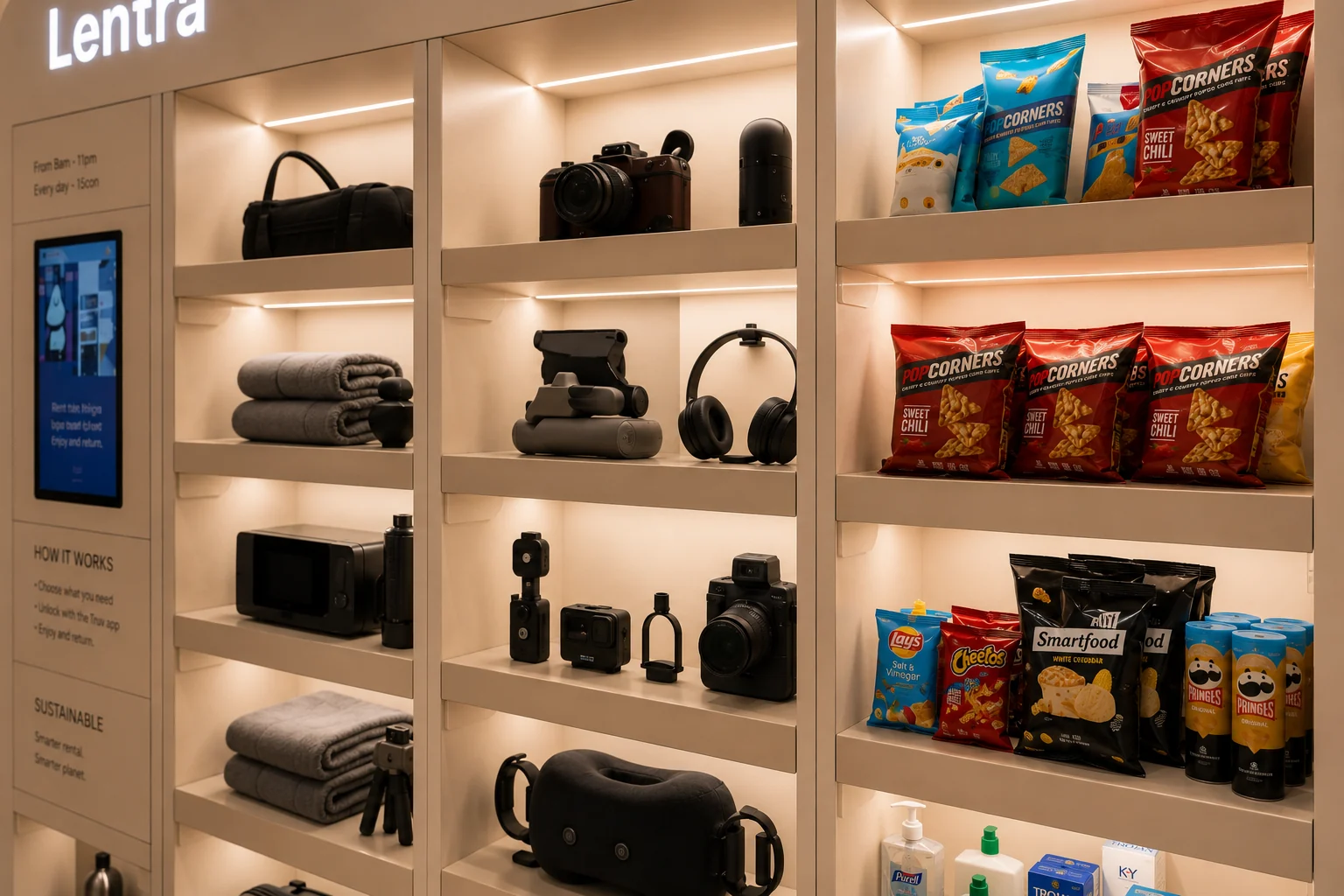
The seven cost components
A complete proposal normally separates the physical wall, configuration and finishes, opening inventory, app and software, installation, ongoing maintenance, restocking, and customer support. This makes it easier to compare a managed amenity with a hardware-only purchase.
Managed versus self-owned
With a managed model, the operator may provide the space while the provider owns and operates the amenity. With a self-owned model, the building owns the equipment and inventory, while the provider supports the technology and operations. The better structure depends on whether the building values predictable income, control, or long-term upside.
Avoid a misleading comparison
A low equipment quote can leave out stock, resident support, repairs and the work required to keep the experience current. Conversely, a full-service proposal should be transparent about what it includes, who is responsible for each task, and what changes as the building grows.
Build a like-for-like cost sheet
Put every proposal into the same time horizon and responsibility matrix. Include design, hardware, delivery, installation, starting inventory, payment processing, software, support, maintenance, replacements, restocking and removal at the end of the agreement. Mark each line as included, optional, usage-based or owned by the property team.
Questions that prevent surprises
Confirm whether prices include taxes, connectivity, site preparation, custom finishes and future expansion. Ask how damaged rental items are handled, whether software prices can change, what service levels apply and who carries insurance. The most useful proposal makes exclusions as clear as inclusions.
How Lentra approaches a proposal
Lentra scopes each amenity around the building rather than publishing a one-size-fits-all figure. The proposal can define the footprint, catalog, service model, responsibilities and assumptions before a property team commits.